Introduction
New York City, a bustling metropolis known for its skyline punctuated by high rises and historical architecture, is also home to some of the most luxurious and meticulously designed villas and apartments in the world. Behind the facade of these opulent living spaces is a detailed and complex design and selection process that combines the genius of architects, the vision of interior designers, and the desires of the clientele. This blog post delves into the intricate journey of creating NYC's high-end villas and apartments, from conceptualization to the selection of materials, and the intricacies involved in making these architectural marvels a reality.
The creation of such spaces is not just about luxury and aesthetics; it involves a deep understanding of the residents' lifestyles, the functional requirements of the space, and the integration of advanced technologies. We will explore the design philosophies, the collaborative process among different stakeholders, and the meticulous attention to detail that characterizes the development of NYC's high-end residential spaces. Through specific examples, industry insights, and expert perspectives, this post aims to provide a comprehensive look into the behind-the-scenes world of luxury living in New York City.
As we delve deeper into the introduction of New York City, it's impossible not to be captivated by the rich tapestry of cultures that define this vibrant city. From the iconic Statue of Liberty standing tall as a symbol of freedom to the diverse neighborhoods like Chinatown and Little Italy, each corner of New York tells a unique story. Additionally, the city's thriving arts scene, encompassing Broadway shows, world-class museums, and street art, adds another layer of intrigue to its dynamic character.
Conceptualization and Design Philosophy
The journey of creating a high-end villa or apartment in NYC begins with a concept. This initial phase is where architects and designers outline the vision and overarching themes that will guide the project. For instance, the development of 432 Park Avenue, one of the tallest residential buildings in the world, started with the concept of integrating the structure seamlessly into the iconic New York City skyline while providing unparalleled views and luxury to its residents. The design philosophy here emphasizes minimalism and the use of natural light, which are achieved through the building's unique geometric patterns and large windows.
Another example is the Zaha Hadid-designed 520 West 28th Street, where the philosophy was to create a futuristic and fluid form that stands out among the traditional architectural landscape of NYC. This was achieved through the innovative use of materials and the building's distinctive curvaceous design. The emphasis was on creating a sense of movement and fluidity, mirroring the dynamic nature of the city itself.
These examples highlight how the conceptualization phase is crucial in setting the direction for the project. It involves not just the architects and designers but also requires input from potential residents, real estate developers, and urban planners to ensure that the final product is both aesthetically pleasing and functional.
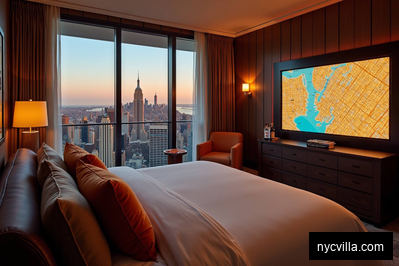
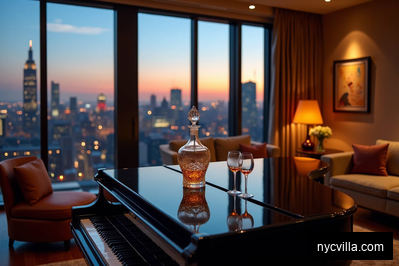
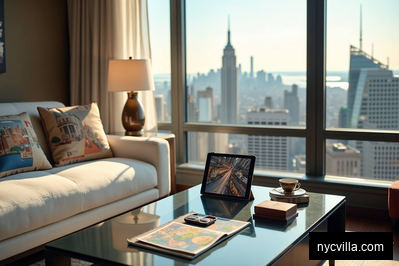
When delving into the realm of conceptualization and design philosophy for a high-end NYC property, it's essential to consider the fusion of modern aesthetics with timeless elegance. For instance, incorporating elements like floor-to-ceiling windows to capture the city's dynamic skyline while balancing it with bespoke interior furnishings that exude sophistication can define the overarching design ethos. This meticulous attention to detail not only shapes the physical space but also encapsulates a narrative that resonates with the target audience, elevating the property's overall appeal.
Collaboration Among Stakeholders
The development of high-end villas and apartments in NYC is a collaborative effort involving a multitude of stakeholders. Architects, interior designers, engineers, contractors, real estate developers, and, importantly, the clients, come together to bring the vision to life. For instance, the Hudson Yards development, a large-scale redevelopment program to create a new neighborhood on Manhattan's West Side, is a prime example of such collaboration. It involved contributions from multiple world-renowned architects, including Kohn Pedersen Fox and Thomas Heatherwick, to create a cohesive yet diverse urban space.
This collaboration extends beyond the conceptualization phase and into the selection of materials, the integration of technology, and the final touches of interior design. The choice of materials, for instance, is not solely based on aesthetics but also on sustainability, durability, and the ability to create the desired atmosphere within the space. The 111 West 57th Street, also known as Steinway Tower, illustrates this well. The building's facade incorporates terracotta panels and bronze filigree, which not only pay homage to the city's architectural heritage but also offer modern functionality in terms of energy efficiency and environmental sustainability.
The integration of technology is another area where collaboration is key. High-end residences in NYC often feature advanced home automation systems, energy-efficient heating and cooling systems, and state-of-the-art security features. These technologies are selected and integrated into the design through the collaboration of engineers, technology specialists, and interior designers, ensuring that they enhance the residents' comfort and lifestyle without detracting from the aesthetic appeal of the space.
In the realm of urban planning, successful collaboration among stakeholders is crucial for infrastructural projects. Take the development of sustainable public transportation systems as an example. This initiative requires coordination between government bodies, city planners, environmental experts, and community representatives. Each stakeholder plays a vital role in ensuring the project's feasibility, environmental impact assessment, and public acceptance. Through transparent communication and shared goals, these diverse entities can harmoniously work together towards creating efficient and eco-friendly transportation solutions for urban residents.
Attention to Detail in Material Selection
The selection of materials is a crucial step in the design and construction of high-end villas and apartments. It involves a delicate balance between aesthetics, functionality, and sustainability. In NYC, where luxury and exclusivity are paramount, the choice of materials can set a project apart. The Getty, located near the High Line in Chelsea, showcases the use of unique materials with its facade constructed from flame-finished Zimbabwe granite. The material was chosen for its durability and the way its appearance changes under different lighting conditions, adding to the building's dynamic character.
Another aspect of material selection is the interior finishes and furnishings. The Woolworth Tower Residences, for example, boast interiors that include solid oak flooring, marble countertops, and custom cabinetry, selected for their quality and the sense of luxury they impart. This attention to detail extends to the selection of appliances and fixtures, with many high-end residences featuring brands known for their design and quality, such as Miele, Sub-Zero, and Waterworks.
The selection of materials is not just about luxury; sustainability and environmental impact are increasingly important considerations. Many high-end projects in NYC are now pursuing LEED certification or similar standards, which influence the choice of materials and technologies used in construction and operation. For instance, Via 57 West, with its striking tetrahedron shape, utilizes sustainable materials and energy-efficient systems to reduce its environmental footprint, demonstrating that luxury and sustainability can go hand in hand.
In the realm of material selection for luxury spaces, attention to detail transcends mere aesthetics. Every element, from the grain of wood to the sheen of metal, must harmonize to evoke a sense of opulence and sophistication. For instance, opting for Italian marble over a generic substitute can elevate the ambiance from ordinary to extraordinary. Moreover, the meticulous consideration of how each material interacts with light and space ensures a cohesive and visually striking end result.
The Role of Technology in Modern Luxury Living
In today's world, technology plays a central role in the design and functionality of high-end living spaces. Smart home systems that allow residents to control lighting, climate, and security with the touch of a button or a voice command have become standard in luxury NYC apartments and villas. For example, the One57 building on West 57th Street features state-of-the-art home automation systems that enable residents to manage their environment for maximum comfort and efficiency.
Beyond automation, technology is also used to enhance the architectural and design elements of high-end residences. The use of LED lighting to accentuate architectural features and create ambiance, advanced soundproofing technologies to ensure privacy, and high-speed elevators to reduce wait times are just a few examples of how technology is integrated into luxury living spaces.
Moreover, luxury developments are increasingly incorporating amenities that utilize technology to enhance the lifestyle of residents. Fitness centers equipped with the latest exercise technology, virtual reality rooms for entertainment, and fully automated parking systems are becoming common features in high-end residential buildings. These technological integrations not only provide convenience and comfort but also signify the cutting-edge nature of luxury living in NYC.
From smart mirrors that adjust lighting based on your mood to automated climate control systems that optimize comfort, technology is revolutionizing modern luxury living. Imagine waking up to a personalized wellness routine orchestrated by integrated smart devices, ensuring a seamless and indulgent start to your day. Furthermore, advancements in home automation offer the convenience of controlling security, entertainment, and ambiance with a simple voice command, elevating the concept of opulent living through interconnected digital experiences.
Conclusion
The design and selection process for NYC's high-end villas and apartments is a testament to the city's commitment to innovation, luxury, and sustainability. From the conceptualization phase to the final selection of materials and technologies, each step is characterized by meticulous attention to detail, collaboration among a diverse set of stakeholders, and a deep understanding of the needs and desires of the residents. The examples of 432 Park Avenue, 520 West 28th Street, Hudson Yards, and others illustrate the complexities and the creativity involved in creating these opulent living spaces.
As we look to the future, it is clear that the integration of technology and sustainable practices will continue to play a significant role in the development of luxury residences in New York City and beyond. The challenge for architects, designers, and developers will be to continue pushing the boundaries of what is possible, creating spaces that are not only aesthetically pleasing and functional but also responsible and forward-thinking. For those fortunate enough to reside in these spaces, the result is a living experience that is unmatched in its comfort, luxury, and sophistication.
In conclusion, the meticulous design and selection process of NYC's high-end villas and apartments not only showcase the city's luxury real estate market but also reflect the sophisticated tastes of its elite residents. From custom-built penthouses with panoramic views of Central Park to historic brownstones meticulously restored to their former glory, each property tells a unique story of opulence and exclusivity. The attention to detail in every aspect of these properties, from the architectural features to the interior finishes, sets a new standard for luxury living in the heart of the Big Apple.